
Environmental Science
Creating a Better World
Interested in studying environmental issues, biological sciences, and interactions between people and the environment? A Bachelor of Science degree in Environmental Science at Etown could be the perfect course of study for you! In this program, you will learn the "hard science" necessary to solve environmental problems while developing the skills to interpret those problems in terms of the larger social, political, and economic context.
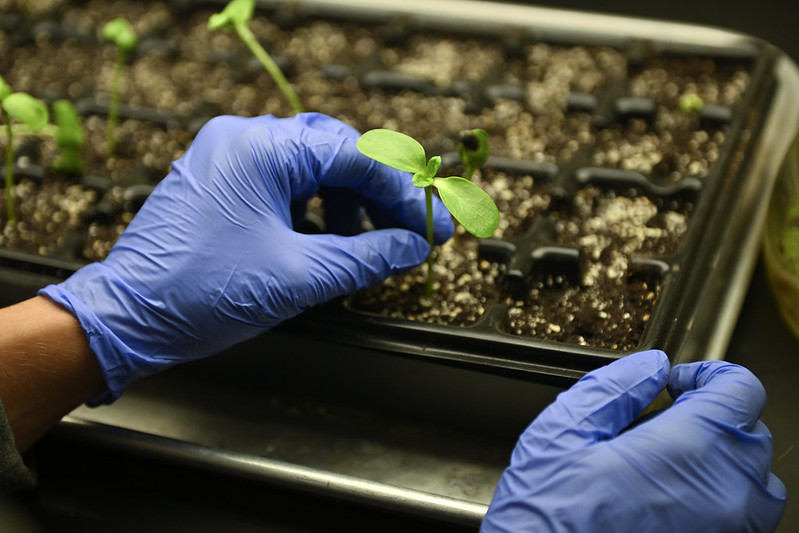
In addition to providing you with a solid grounding in basic principles, our curriculum exposes you to the application of those principles through research, community-based learning experiences, and internships. This exciting major includes hands-on coursework both inside our laboratories and in the varied environments around campus. All students complete undergraduate research or an internship related to environmental science.
Want to Learn More About Environmental Science at Etown?
What Can I Do With a Degree in Environmental Science?
The undergraduate curriculum prepares you for entry-level positions with environmental firms, industry, or government agencies that require knowledge of environmental principles and methodology, as well as for entry into graduate environmental programs.
Career Paths
Our graduates put their environmental science degrees to work in the field, the lab, the boardroom, and the courtroom.
-
Watershed Specialist
-
Wildlife Biologist
-
Horticulture & Design
-
Restoration Technician
-
Environmental Educator
-
Quality Assurance
-
Environmental Researcher
-
Corporate Sustainability Manager
-
Land Trust Director
-
Environmental Lobbyist
-
Environmental Consultant
-
Environmental Lawyer
Want to Know More?
Worldwide Educational Experiences
Our undergraduate students engage in diverse learning adventures, from on-campus activities to studying abroad. The Biological and Environmental Sciences program enables students to immerse themselves in academically focused trips to destinations like Australia, New Zealand, Germany, Ecuador, Japan, and Tanzania. Campus clubs and organizations further enrich these global experiences, expanding academic horizons.
Expanding Learning Horizons
Emphasizing hands-on experiences and high-quality classroom learning, we offer ample chances to apply skills via internships and research. Faculty-led field trips help you deepen your environmental science knowledge and understand human impacts on the environment.
Turning Curiosity Into Scientific Discovery
Through the Summer Creative Arts and Research Program (SCARP), Environmental Science students spend the summer on campus doing independent research with a faculty mentor. Projects take students out of the classroom and into the field, from wetlands and streams to labs and local communities, where they collect data, test ideas, and build the professional skills that give them an edge for graduate school and careers.
Environmental Studies Minor
The Environmental Studies minor offers a flexible pathway for students to explore the scientific and social sides of environmental challenges. Coursework builds foundational knowledge, develops technical skills for analyzing the spatial aspects of environmental topics, and adds depth across both the sciences and social sciences.